
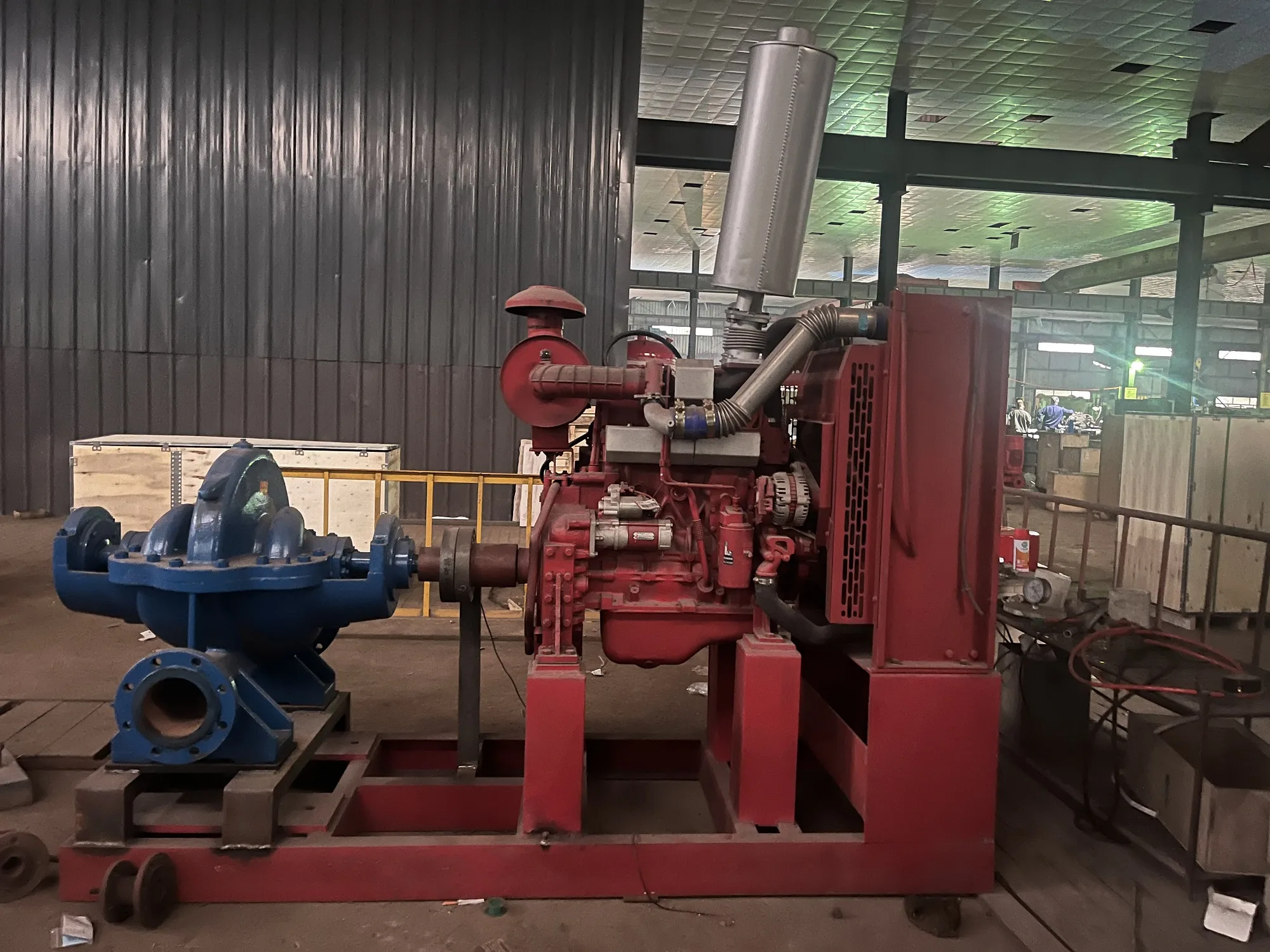
A diesel engine fire pump is critical fire-fighting equipment, and correct operation is essential for reliable performance.
Pre-start Preparation
Visual check: inspect the pump for damage, deformation or cracks; ensure all connections are tight and dashboard indicators and readings are normal.
Oil and coolant: check engine oil on the dipstick (within the marked range, clean and uncontaminated) and coolant level between the min and max marks.
Fuel system: ensure a clean, adequate, water-free fuel supply; check fuel lines for leaks or blockages and clean/replace the fuel filter.
Electrical system: check battery charge and voltage, secure wiring, intact fuses, and stable power for starting.
Air intake/exhaust: ensure a clean, unblocked air filter and clear exhaust.
Pump and piping: confirm casing bolts are tight and leak-free; keep the inlet valve fully open and the outlet valve closed before start; repair any cracked or leaking piping.
Starting
In cold conditions (below 0°C), preheat for 30–60 seconds. Turn the diesel switch to ON and press start; watch for abnormal noise or smoke and stop immediately if faults appear.
Monitoring and Adjustment During Operation
Pressure and flow: watch the pressure gauge and flow meter; high/low pressure may indicate a blocked pump, damaged impeller or abnormal speed, while low flow may indicate blockage or degraded performance. Stop and investigate any anomaly.
Temperature: monitor water, oil and inlet/outlet temperatures; overheating may indicate cooling-system failure, low water or overload.
Speed: adjust engine speed to control flow and pressure smoothly, without exceeding rated speed.
Vibration and noise: excessive vibration or abnormal noise may indicate imbalance, bearing damage, a loose impeller or motor fault; stop and inspect.
Shut-down
Normal stop: gradually close the outlet valve to reduce load, then press stop; wait until the engine fully stops before cutting power. Emergency stop: press the emergency button only in serious situations, then fully inspect the equipment before reuse.
Maintenance
After each use clean the pump and tighten connections; periodically replace oil, oil filters and air filters. Inspect the system monthly, perform comprehensive maintenance every six months, and run a fire-drill test annually. Operators should know common faults; complex repairs should be handled by qualified personnel.


