
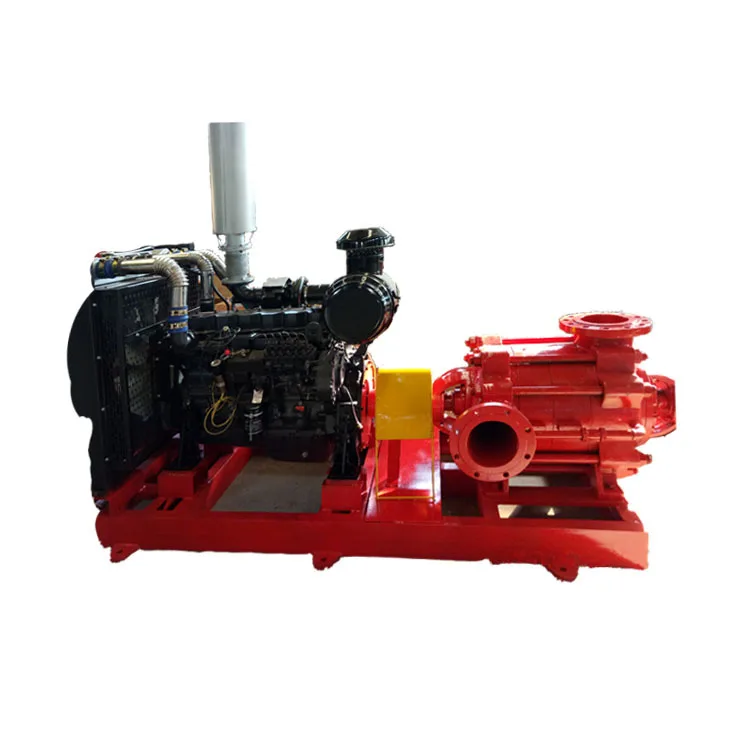
1. Preparation Before Use
Check the gasoline and engine oil levels. Connect the suction hose, delivery hose and nozzle. Close the pump drain valve, the water-ring pump priming-tank drain valve, the water-filter drain valve and the pump outlet valve. Loosen the air screw on the fuel tank cap to vent it.
Check the oil level in the lubricator cup for the vane pump, and add water to the water-ring pump priming tank. Press the fuel-pump bulb three times so fuel enters the cylinder to form a rich mixture for starting. Set the choke and throttle levers to the starting position.
2. Starting the Gasoline Engine
Before starting, half-open the choke and open the throttle about a quarter. Turn the starter-rope pulley clockwise until compression is felt, wrap the rope around the starter pulley, brace your foot on the frame crossbar, and pull the starter firmly and quickly. Once started, open the choke fully to stabilize running.
With electric start, quickly turn the start switch clockwise; the engine usually starts within 1–3 seconds. Release the starter immediately after starting.
3. Priming and Water Supply
The unit has a vane priming pump controlled by a priming lever. After the engine runs normally, pull the priming lever outward; the vane pump then drives via belt and primes within about 25 seconds. Alternatively, the water-ring pump begins exhausting as you move the diverter lever to the suction position. When water mist appears at the exhaust, priming is complete; gradually open the outlet valve to supply the hoses and nozzle.
4. Shut-down
Set the throttle to minimum, then press the stop button until the engine stops. After stopping, close the fuel-tank cock to prevent leakage.
Maintenance
Store the pump in a clean, dry place to prevent rust and damp electrical parts. After each use, clean mud and dirt from the outside and cooling fins, and check that all parts are intact and tight. After pumping corrosive water, run clean water through the pump for 10 minutes. In winter, remove the bottom tapered plug to drain the pump and prevent freeze damage. For long storage, drain all fuel and water and inject a little quality oil through the spark-plug hole. Top up clean engine oil every 4 hours of operation; clean the air filter, fuel filter, carburetor and fuel line after 25 hours; change the crankcase oil after 40 hours or whenever it turns black.
Safety Notes
Do not start without sufficient lubricating oil. Exhaust contains CO and hydrocarbons; never run the pump indoors or in pits with poor ventilation. Do not refuel while running; refuel outdoors and clean up any spill. Avoid touching hot mufflers, cylinders and rotating parts.


